
Published on May 8, 2026
Beyond the Redness: What Your Skin Is Trying to Tell You About Rosacea
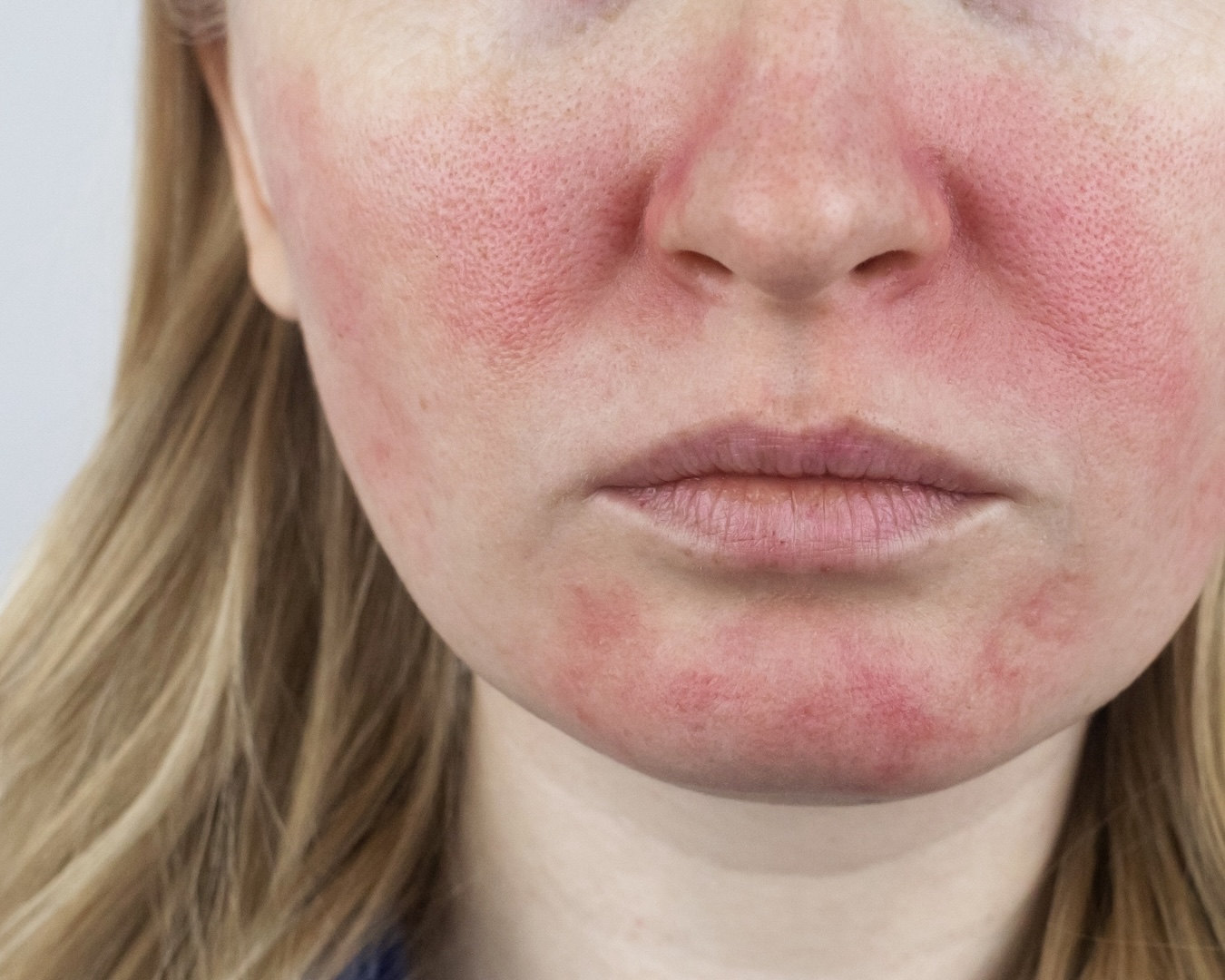
If you’ve ever felt like your face was “on fire” after a spicy meal, a workout, or even a change in temperature, you already know that rosacea is much more than “sensitive skin.”
For years, rosacea was often misunderstood as simply adult acne or chronic redness. But recent dermatological research is revealing something much deeper: rosacea is a complex inflammatory condition involving the immune system, blood vessels, the skin barrier, and even the skin microbiome.
Modern science is finally helping us understand why rosacea happens, and more importantly, how to support the skin without constantly fighting against it.
1. Rosacea Is an Overactive Alarm System
One of the most important discoveries in rosacea research involves a peptide called Cathelicidin (LL-37).
In healthy skin, this molecule helps protect against infection and supports healing. But in rosacea-prone skin, the body produces excessive amounts of it and processes it abnormally. Instead of protecting the skin, it triggers inflammation.
Researchers now believe this contributes to many classic rosacea symptoms:
- Persistent redness
- Visible capillaries
- Burning or stinging sensations
- Increased skin sensitivity
- Papules and pustules
The skin essentially becomes stuck in “defense mode,” overreacting to triggers that normal skin would tolerate.
2. Your Skin Microbiome Also Plays a Role
Rosacea is closely linked to changes in the skin microbiome, the ecosystem of microorganisms living on the skin.
One of the most studied factors is Demodex folliculorum, a microscopic mite naturally present on human skin. While everyone has some Demodex, studies show rosacea patients often have significantly higher concentrations.
These mites can stimulate inflammatory pathways and worsen immune reactions, especially when the skin barrier is already weakened.
This is why many people notice flare-ups after:
- Over-exfoliation
- Harsh acne products
- Aggressive treatments
- Excessive heat exposure
- Barrier-damaging skincare routines
3. The Skin Barrier: The Missing Piece
Think of your skin barrier as a protective wall made of lipids, ceramides, and skin cells.
In rosacea, this barrier is often compromised. The result is increased Transepidermal Water Loss (TEWL), meaning the skin loses hydration faster and becomes more vulnerable to irritants.
This creates a vicious inflammatory cycle:
- Inflammation weakens the barrier
- A weakened barrier allows irritants to penetrate more easily
- Irritation triggers even more inflammation
- This explains why many rosacea patients feel both oily and dehydrated at the same time.
4. Why Traditional Treatments Don’t Always Solve the Problem
Conventional treatments like antibiotics or anti-inflammatory creams can help reduce symptoms temporarily, but they often do not fully address:
- Barrier dysfunction
- Chronic inflammation
- Microvascular instability
- Skin regeneration
This is why newer regenerative approaches are gaining attention in aesthetic dermatology.
5. The New Generation of Regenerative Treatments
Recent studies are exploring therapies focused on calming inflammation while helping the skin repair itself biologically.
One of the most promising areas involves Exosomes; nano-sized extracellular vesicles that carry growth factors, peptides, and regenerative signals between cells.
Research suggests exosomes may help:
- Reduce inflammatory signaling
- Support collagen production
- Improve skin healing
- Strengthen the skin barrier
- Reduce post-inflammatory redness
At our clinic, we focus on treatments that support skin regeneration while respecting the sensitivity of rosacea-prone skin.
Depending on the skin condition and level of inflammation, professional treatments may include:
- Microneedling with Exosomes, PDRN, Hyaluronic Acid, and B12 to support regeneration and barrier recovery
- Aquafacial treatments to deeply cleanse while maintaining hydration and minimizing irritation
- DPC SharpLight technology to target vascular redness and visible capillaries using advanced light-based therapy
- Customized calming protocols focused on inflammation control and microbiome support
Because rosacea is highly individual, treatment intensity and ingredient selection should always be adapted carefully to the skin’s current inflammatory state.
6. What You Can Do at Home
Professional treatments work best when paired with consistent barrier-supportive home care.
- Focus on Barrier Repair
- Look for ingredients like:
- Ceramides
- Fatty acids
- Cholesterol
- Panthenol
- Ectoin
- Centella asiatica
Hydration alone is not enough, the skin needs lipid support to properly retain moisture.
Avoid Over-Treating the Skin Many rosacea patients unintentionally worsen inflammation with:
- Strong exfoliants
- Excessive acids
- Scrubs
- Over-cleansing
- High-strength retinoids used too aggressively
Rosacea skin usually responds better to consistency and regulation rather than intensity.
- Protect Against Heat & UV
- Heat is one of the strongest rosacea triggers because it directly affects blood vessel dilation and neurovascular activity.
- Daily SPF and temperature awareness are essential parts of managing flare-ups long-term.
The Bottom Line
Rosacea is not simply a cosmetic issue, it’s a complex inflammatory condition involving the immune system, skin barrier, nervous system, and microbiome.
The future of rosacea management is moving away from aggressive suppression and toward skin regeneration, barrier repair, and inflammation modulation.
When we support the skin biologically instead of constantly attacking symptoms, we often achieve healthier, calmer, and more resilient skin over time.
If you struggle with persistent redness, sensitivity, or rosacea flare-ups, a personalized skin analysis can help identify the underlying triggers and the best approach for your skin condition.
At Patricia Dias Beauté, we combine advanced aesthetic technologies with barrier-focused and regenerative treatments to help support healthier, calmer skin over time.
References:
Addor, F.A.S. (2016). Skin barrier in rosacea. Anais Brasileiros de Dermatologia.
Ha, D.H., et al. (2020). MSC-Derived Exosomes for Immunomodulatory Therapeutics and Skin Regeneration. Cells.
PMC12692705: Rosacea: A multifactorial inflammatory disease.